
How to Invest in Foreign Stocks From India (2026)
Learn how to invest in foreign stocks from India in 2026 using RBI LRS, overseas brokers and ETFs, including TCS, tax, reporting, fees and key risks.
Learn how to invest in foreign stocks from India in 2026 using RBI LRS, overseas brokers and ETFs, including TCS, tax, reporting, fees and key risks.

Compare the best student forex cards in India for 2026 by forex markup, ATM fees, reloads, currencies and study-abroad needs.
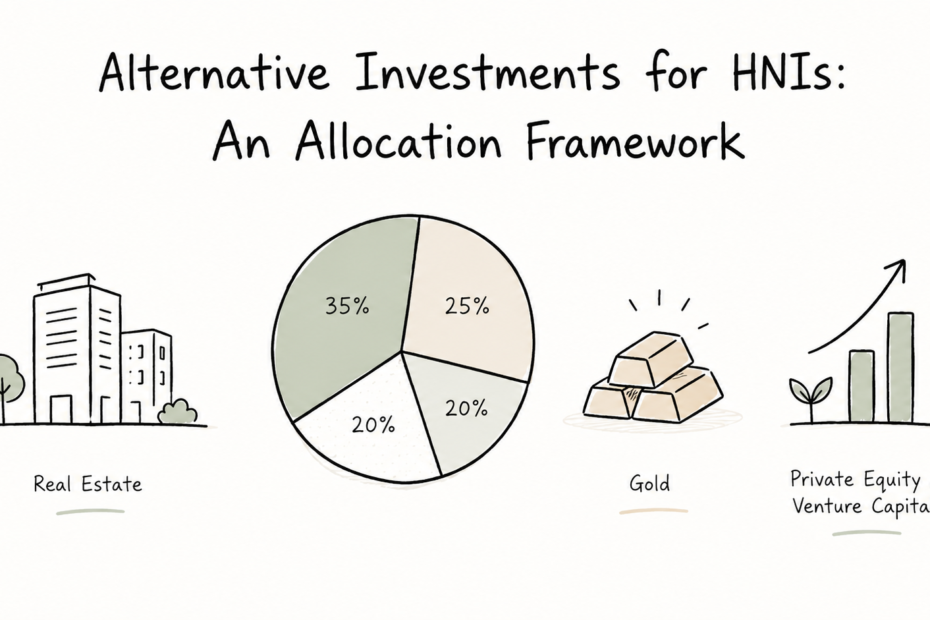
A practical framework for HNIs deciding how much to allocate to alternative investments, based on liquidity, goals, concentration, capital calls, risk and manager diversification.
Learn who qualifies as an accredited investor in India, the income and net-worth criteria, accreditation process, AIF and PMS flexibilities, benefits and risks under SEBI rules.
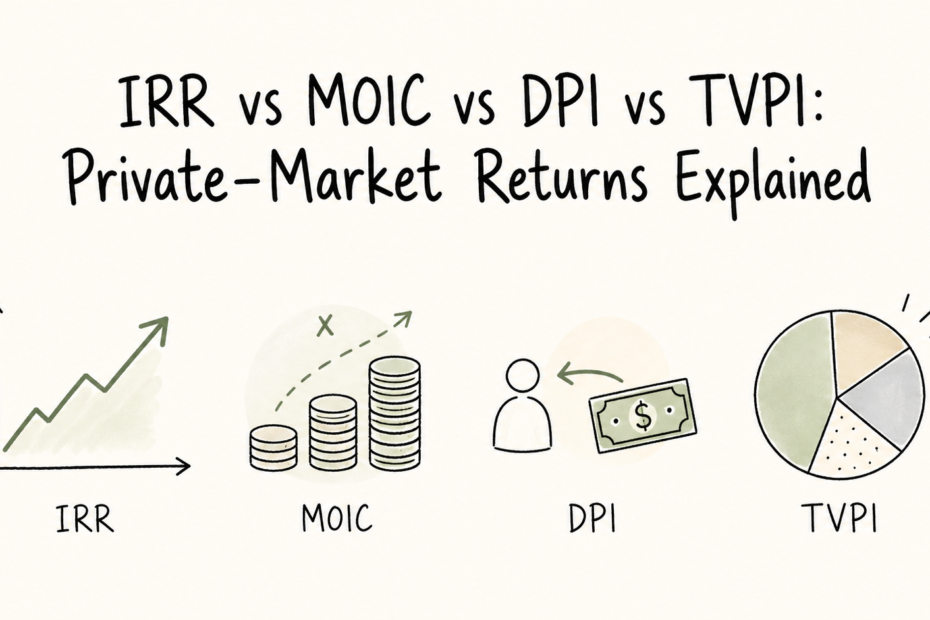
Learn how IRR, MOIC, DPI, RVPI and TVPI measure private-market performance, what each metric misses and how investors can compare AIF and private-equity returns more accurately.
Understand AIF fees in India, including management fees, carried interest, hurdle rates, catch-up, clawbacks, fund expenses and how fee structures affect net investor returns.
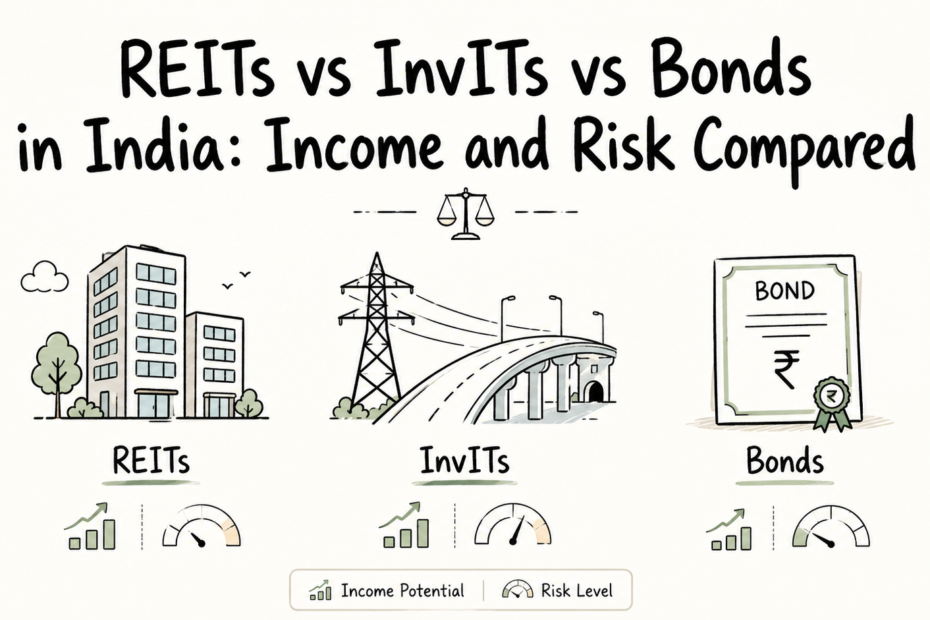
Compare REITs, InvITs and bonds in India by income source, liquidity, interest-rate sensitivity, credit risk, growth potential, leverage and investor suitability.

Compare REITs and direct commercial property in India by capital required, rental income, liquidity, diversification, leverage, costs, tax complexity and investor effort.
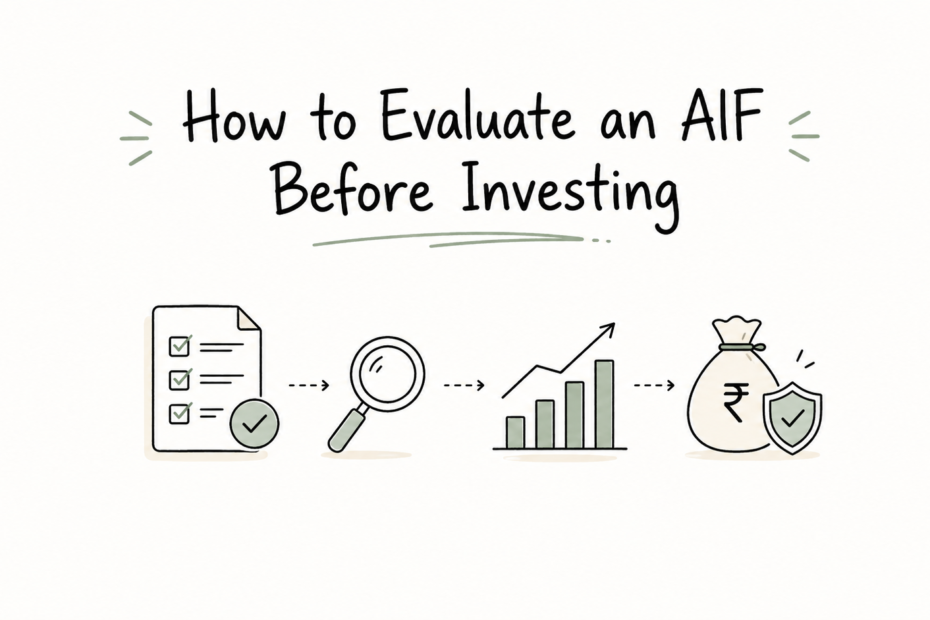
Use this 15-point AIF due-diligence checklist to assess strategy, manager quality, fees, leverage, valuation, liquidity, governance, conflicts and private-market performance before investing.
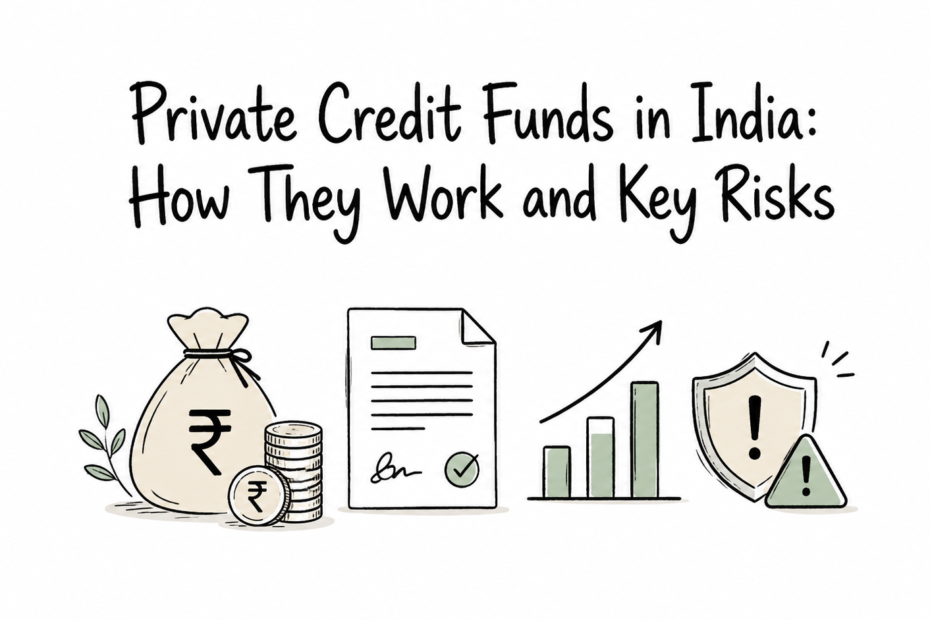
A practical guide to private credit funds in India, including Category II AIF structures, return sources, collateral, covenants, default risk, liquidity, fees and due diligence.